Discuss the project

Power Transmission Line Towers: Manufacturing, Steel Lattice, Angle and Anchor Towers

A reliable power transmission line starts not with the conductors, but with the tower. The tower bears the weight of the conductors, wind and ice loads, span tension, and forces at line direction changes. A mistake in calculating or selecting the tower type can cost more than the structure itself — resulting in emergency outages, unplanned repairs, and risks to personnel.

Metalinvest specializes in manufacturing power transmission line towers for overhead power lines with voltage classes from 0.4 kV to 110 kV and above. Our products include steel lattice towers, angle towers, and anchor towers, manufactured according to standard designs or individual customer drawings, with hot-dip galvanizing for long-term corrosion protection. We supply towers to energy companies, contractors, construction and industrial enterprises throughout Ukraine.

Manufacturing Power Transmission Towers: How It Works

Manufacturing a power transmission tower is not simply a matter of mass production. It is an engineering process in which every stage affects how long the tower will operate without repairs.

Technical specifications and load calculation. At the initial stage, the line voltage class, terrain type (open, forested, mountainous), regional wind and ice loads, line turning angle (for angle towers), and span length are determined. These parameters define the required steel section, tower height, and foundation connection method.

Design. For standard transmission lines, proven tower designs that comply with applicable standards are used. For non-standard conditions — complex routes, increased loads, or limited space for tower installation — an individual design is developed.

Steel structure manufacturing. Depending on the design, the tower is assembled from steel angle sections or tubular sections using welded and bolted connections. Lattice towers are manufactured in sections for easier transportation and on-site assembly.

Hot-dip galvanizing. The finished steel structure is immersed in molten zinc, creating a protective coating designed to provide long-term corrosion protection. This is particularly important for structures that remain exposed to weather conditions for decades.

Delivery and installation support. Towers are delivered to the site either disassembled or partially assembled. Technical support for installation can also be provided if required.

Power transmission towers can be manufactured according to a standard design (faster and more cost-effective) or according to an individual customer drawing when standard solutions do not meet the requirements of a specific route or load.
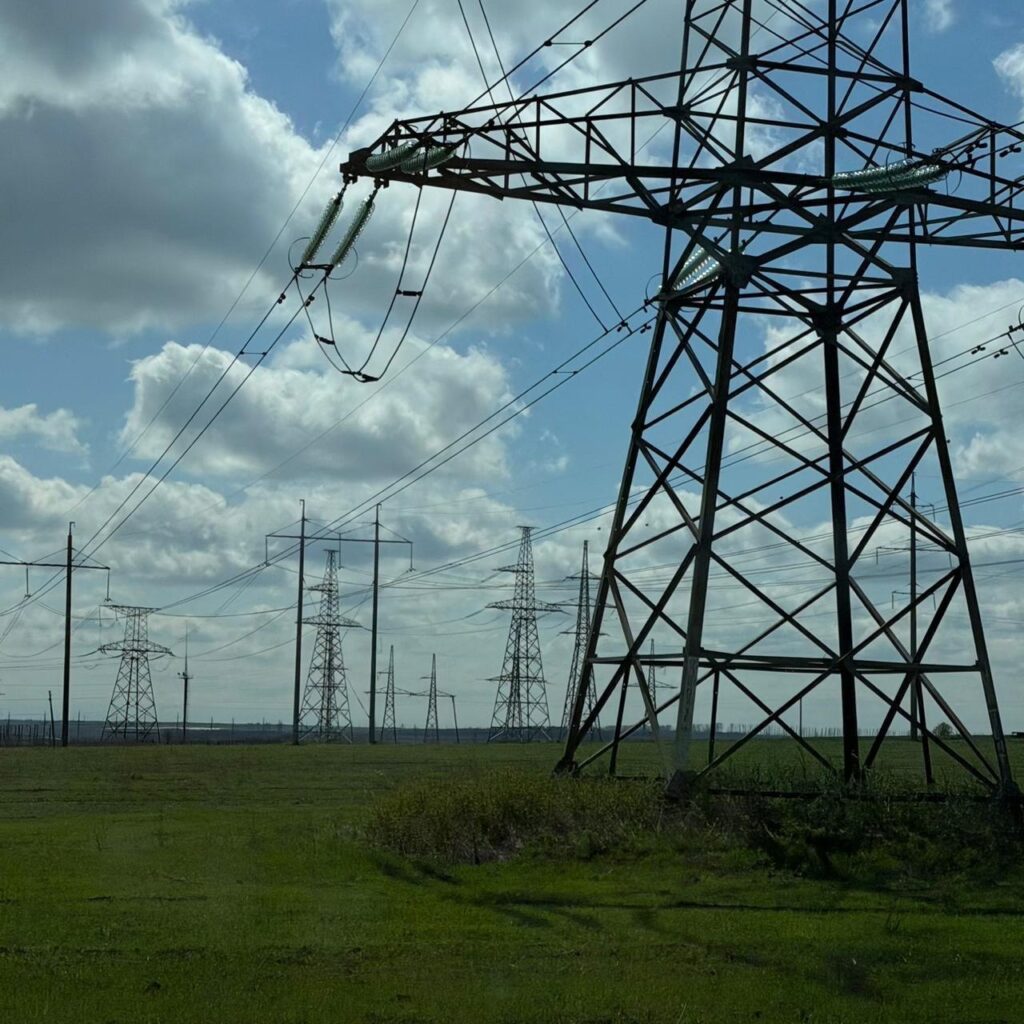
Steel Lattice Power Transmission Towers

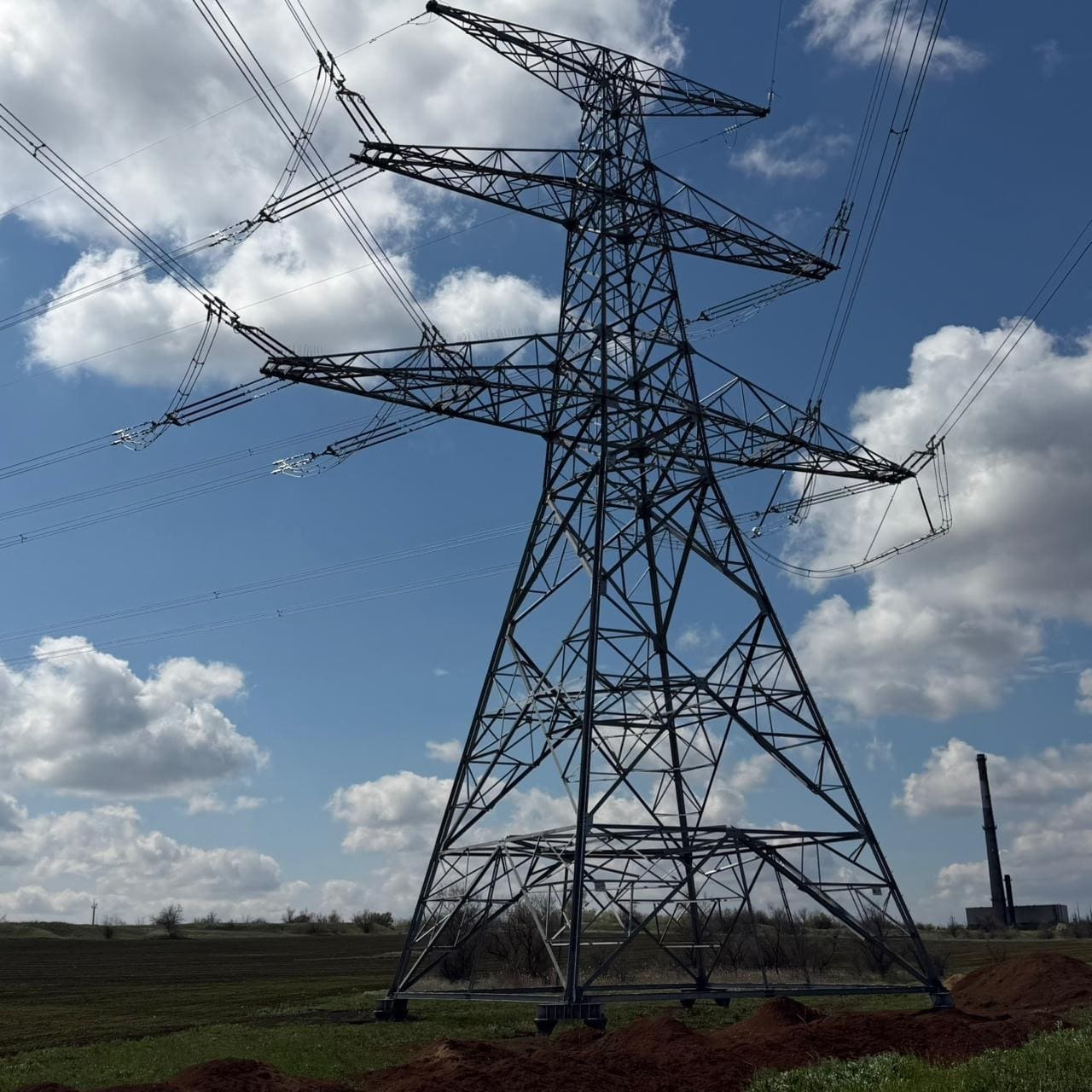
A lattice tower is a three-dimensional truss structure made of steel angle sections connected into triangular sections. This design provides high structural strength with a relatively low steel weight compared with solid-wall towers.

Applications:

  • long-distance transmission lines where reducing the amount of steel per kilometer of route is important;
  • regions with increased wind and ice loads, where the lattice structure provides effective load distribution;
  • high- and extra-high-voltage lines (35 kV, 110 kV and above), where considerable tower height is required.

Advantages over reinforced concrete towers:

  • Lower weight during transportation and installation — heavy lifting equipment may not always be required;
  • Repairability — a damaged section can be replaced without dismantling the entire tower;
  • Resistance to mechanical loads with potentially smaller foundation dimensions;
  • Long service life with high-quality galvanizing — unlike reinforced concrete, steel structures do not suffer from internal reinforcement corrosion.

Angle Power Transmission Towers

Where a power transmission line changes direction, a standard straight tower may not withstand the lateral load — the conductors pull the structure sideways with a force proportional to the turning angle. This is why angle power transmission towers are used: reinforced structures specifically designed to withstand this lateral force.

Key features:

  • reinforced foundations and additional bracing to compensate for the lateral pull of the conductors;
  • calculation of the angle load depends on the turning angle, number of conductors, and climatic loads in the region;
  • installed at points where the transmission route changes direction and often combined with the function of an anchor tower when the turning angle is significant.

Choosing the wrong tower type — for example, using an intermediate tower instead of an angle tower at a line turn — is one of the common causes of conductor failures during the early years of operation.
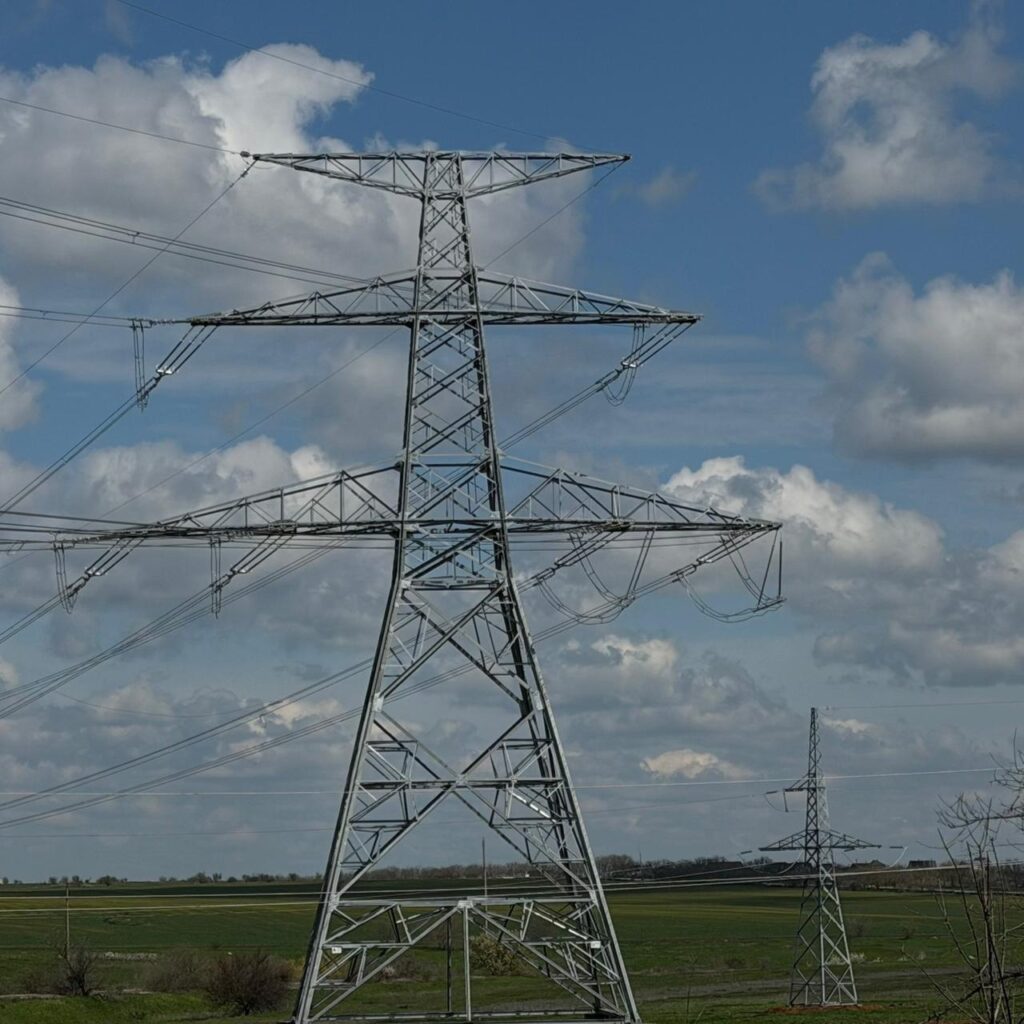
Anchor Power Transmission Towers

An anchor tower is a “fixing point” of a power transmission line. Unlike an intermediate tower, which primarily supports the conductors between spans, an anchor tower is designed to withstand the conductor tension from both sides and securely fix the position of the line.

Where anchor towers are typically installed:

  • at the beginning and end of each line section;
  • at crossings with roads, other power transmission lines, and utility infrastructure, where required by applicable standards;
  • at intervals along long transmission lines to limit the potential area of cascading conductor failure in the event of an accident;
  • at locations with significant changes in terrain or line direction.

Anchor power transmission towers have a reinforced structure compared with intermediate towers — thicker steel sections, a more robust base connection, and a reinforced foundation. This is intentional: in the event of a conductor failure, the anchor tower helps limit the extent of damage to a single section rather than allowing it to propagate along the entire line.

Why Metalinvest

  • Manufacturing power transmission towers according to standard designs and individual customer drawings
  • Full production cycle: load calculation → manufacturing → hot-dip galvanizing → delivery
  • Steel lattice, angle, and anchor towers for 0.4–110 kV and higher-voltage lines
  • Supply to energy companies, contractors, industrial and private facilities throughout Ukraine
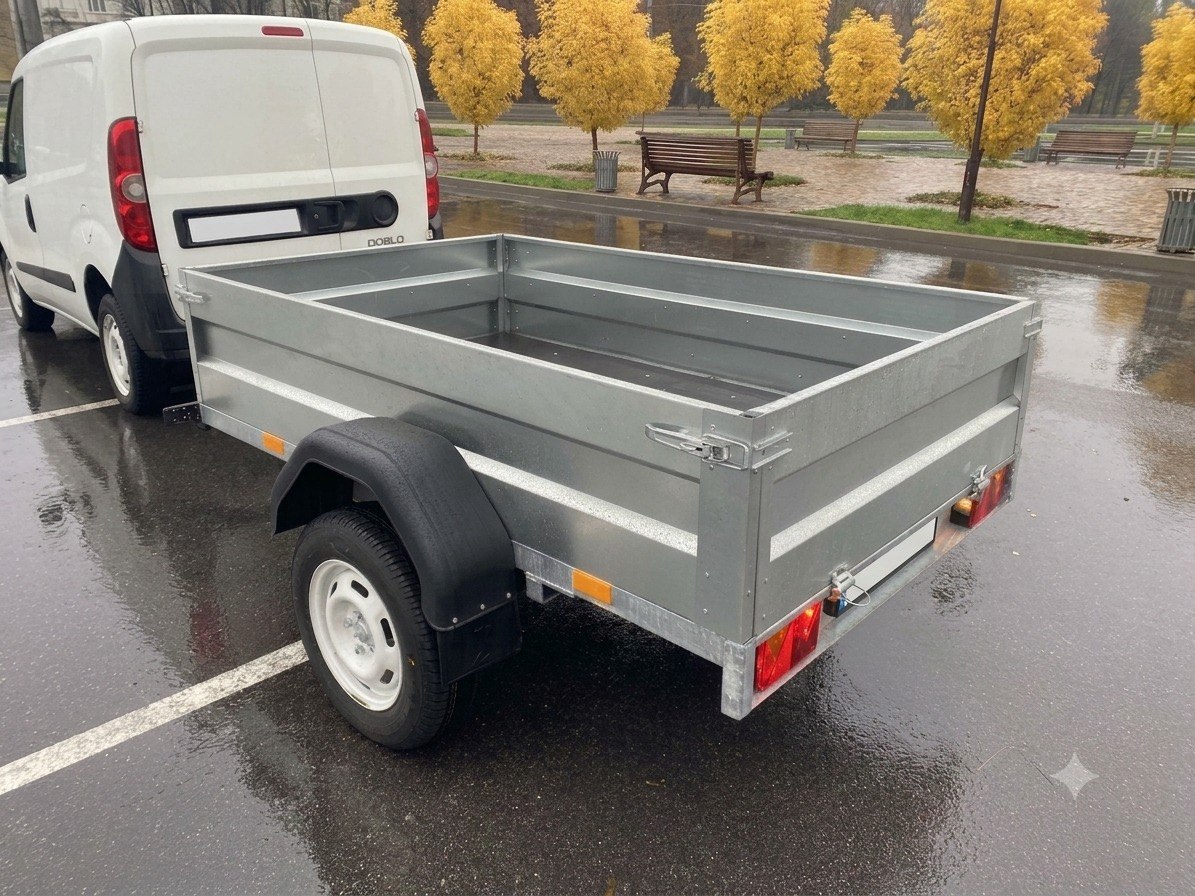
Power line pylons: manufacture; metal lattice, angle and anchor pylons

A reliable power line does not begin with the wire, but with the pylon. It is the pylon that bears the weight of the wires, wind and ice loads, and the tension in the spans and at the bends in the line. An error in the calculation or selection of the tower type costs more than the structure itself — it leads to emergency outages, unscheduled repairs and risks to personnel.

Metalinvest specialises in the manufacture of power line towers for overhead power lines with voltage classes ranging from 0.4 kV to 110 kV and above. Our product range includes metal lattice pylons, angle pylons and anchor pylons, manufactured to standard designs or the customer’s individual drawings, with hot-dip galvanising for long-term protection against corrosion. We supply pylons to energy companies, contractors, construction firms and industrial enterprises throughout Ukraine.

Manufacturing of electricity transmission pylons: how it works

The manufacture of electricity transmission pylons is not a mass-production process, but an engineering process in which every stage affects how long the pylon will last without requiring repair.

Technical specifications and calculations. At the outset, the line’s voltage class, the type of terrain (open, forested, mountainous), wind and ice loads specific to the region, the angle of the line (if the pylon is angled) and the span length are determined. These parameters determine the cross-section of the rolled steel, the height of the pylon and the method of securing it to the foundation.

Design. For standard lines, tried-and-tested tower designs are used, which already comply with current regulations. For non-standard conditions — such as a complex route, increased loads or limited space for the tower — a bespoke drawing is developed.

Manufacture of the steel structure. The support is assembled from angle or tubular sections using welding and bolted joints, depending on the type of structure. Lattice supports are assembled in sections for ease of transport and on-site installation.

Hot-dip galvanising. The finished steel structure is immersed in molten zinc, creating a protective coating that lasts for the entire service life of the support — this is critical for structures that remain exposed to the elements for decades.

Delivery and installation support. The pylons are delivered to the site either disassembled or partially assembled, with technical support for the installation work provided where required.

Power line pylons can be manufactured either to a standard design (faster and cheaper) or to the customer’s individual drawings — when standard solutions are not suitable for a specific route or load.

Metal lattice pylons for power lines

A lattice pylon is a three-dimensional truss made of metal angle sections joined to form triangular sections. This design offers high strength whilst using a relatively small amount of metal compared to solid-section pylons.

Where they are used:

  • long-distance transmission lines, where saving on metal per kilometre of route is important;
  • regions with high wind and ice loads, where the lattice structure redistributes forces more effectively;
  • high- and extra-high-voltage lines (35 kV, 110 kV and above), where considerable tower height is required.

Advantages over reinforced concrete pylons:

  • lower weight during transport and installation — heavy lifting equipment is not always required;
  • ease of repair: a damaged section can be replaced without dismantling the entire pylon;
  • resistance to mechanical loads with a smaller foundation footprint;
  • longer service life provided the galvanisation is of high quality — unlike reinforced concrete, the metal does not deteriorate due to corrosion of the reinforcement from within.

Angled electricity pylons

Where a power line changes direction, a straight pylon cannot withstand the lateral load — the cable pulls the structure sideways with a force proportional to the angle of the bend. This is where angled electricity pylons come into play — a reinforced structure designed specifically to withstand this lateral force.

Key features:

  • a reinforced foundation and additional bracing in the structure to counteract the lateral pull of the wires;
  • the calculation of the angular force depends on the angle of deflection, the number of wires and the climatic loads in the region;
  • they are installed at points where the route changes direction and often also serve as anchor towers if the angle is significant.

Choosing the wrong type of tower—intermediate or corner—at a bend in the line is one of the most common causes of accidental wire breaks during the first few years of operation.

Anchor towers for power lines

An anchor tower is a ‘fixed point’ on a power line. Unlike an intermediate tower, which merely supports the wire between spans, an anchor tower bears the full tension of the wire from both sides and rigidly fixes its position.

Where power line anchor supports must be installed:

  • at the start and end of each section of the line;
  • at points where the line crosses roads, other power lines or utility networks — in accordance with regulatory requirements;
  • every few spans on long power lines, to limit the area affected by a potential cascade of wire breaks in the event of an accident;
  • at points where there is a significant change in terrain or angle of curvature.

Anchor pylons on power lines have a reinforced design compared to intermediate pylons — thicker rolled steel, a more robust mounting base and a reinforced foundation. This is a deliberate design feature: if a break occurs on the line, it is the anchor pylon that limits the damage to a single span, rather than the entire route.

Why Metalinvest

  • Manufacturing of power transmission line (PTL) structures according to standard designs and custom customer drawings
  • Full-cycle service: load calculations → manufacturing → hot-dip galvanizing → delivery
  • Steel lattice, angle and anchor structures for 0.4–110 kV and higher voltage lines
  • Supply for energy companies, contractors, industrial and private facilities throughout Ukraine
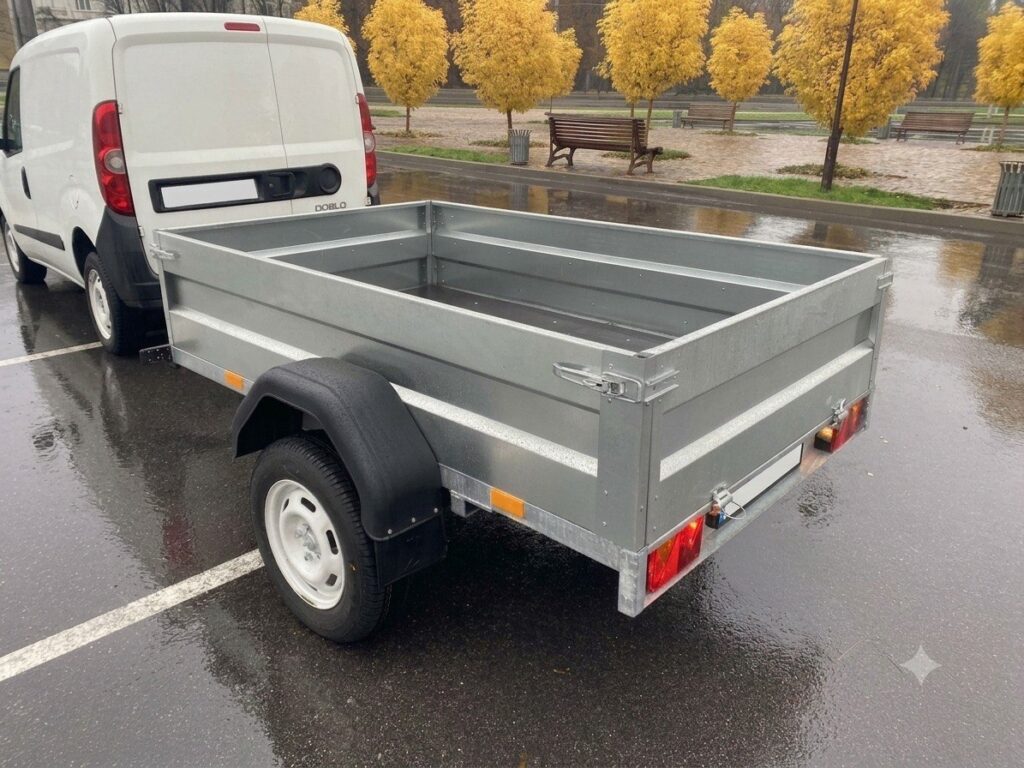
Galvanising of vehicle platforms: reliable protection against corrosion for recovery vehicles, flatbed trailers and goods trailers

Vehicle platforms — recovery vehicles, flatbed trailers and goods trailers — operate daily in extreme conditions: road salt in winter, humidity, mechanical stress and temperature fluctuations. A metal structure without proper protection will rust within just 2–3 years of use. Hot-dip galvanising of vehicle platforms is a technology that solves this problem fundamentally, rather than merely cosmetically.

What is the galvanising of vehicle platforms and why is it more effective than painting?

Hot-dip galvanising involves immersing a metal structure in molten zinc at a temperature of over 450°C. As a result, rather than a film, an ultra-strong zinc-iron alloy forms on the metal’s surface, which is chemically bonded to the base material. Unlike paint and varnish coatings, which chip, crack and peel over time, a zinc coating:

  • is resistant to chipping and mechanical damage when loading equipment;
  • provides cathodic protection — even if a scratch appears on the surface, the zinc continues to protect the steel from corrosion;
  • withstands harsh environments: chemicals, salt, moisture and temperature fluctuations;
  • lasts between 25 and 50 years without additional maintenance, depending on the thickness of the coating and operating conditions.

This is precisely why galvanising is the standard method for protecting metal structures in the transport sector: tow truck platforms, equipment transport trailers, cargo trailer bodies and semi-trailer frames.

 Which components are subject to galvanising

Virtually all metal components of vehicle platforms are subject to galvanising:

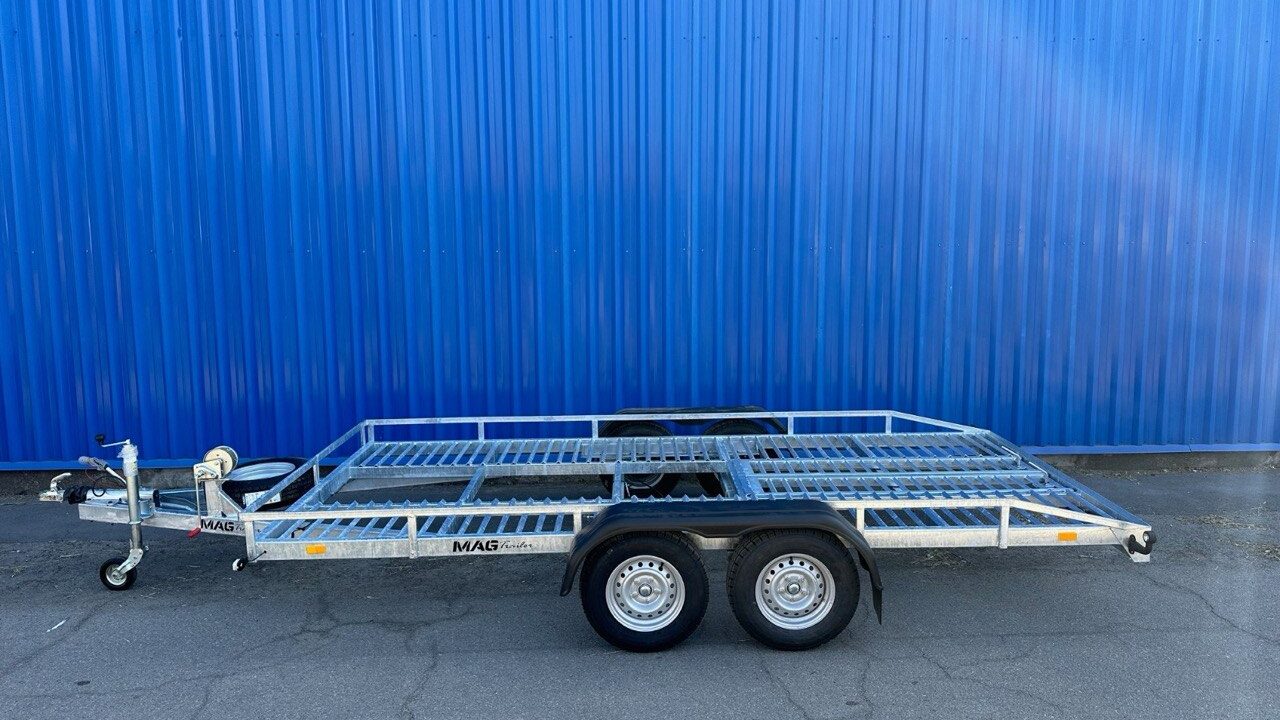
  • Tow truck platforms — the working surface that is constantly in contact with cargo, dirt and moisture;
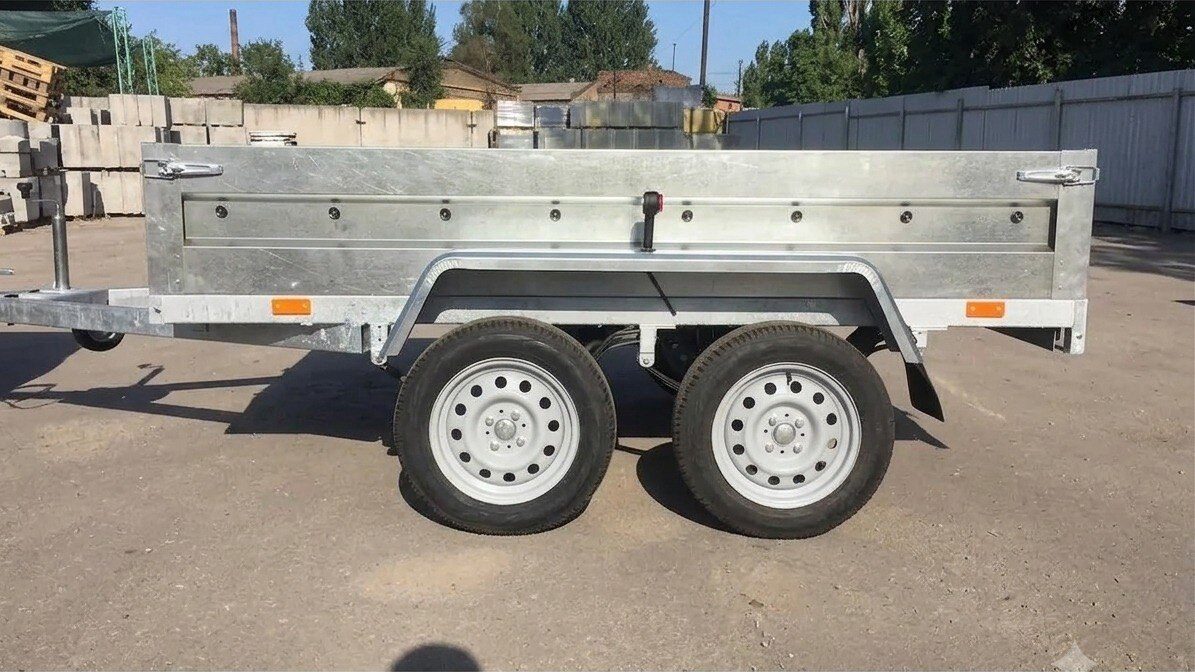
  • Trailer platforms for transporting specialised, construction and agricultural machinery;
  • Cargo trailers and semi-trailers — frames, side panels, body components;
  • Auxiliary metal structures: ramps, brackets, fasteners, frames.

Galvanising of large-scale structures up to 14 metres

One of the key technical challenges in galvanising vehicle platforms is the size of the structures. Standard galvanising baths are designed for smaller dimensions, so not every production facility is capable of treating a tow truck frame or gun carriage in one piece, without welded joints, after galvanising.

Our production line allows us to galvanise structures up to 14 metres in length in a single dip. This is critical to the quality of the final result:

  • the zinc coating is applied evenly along the entire length of the structure;
  • there are no joint areas where the seams would need to be treated with cold-applied zinc after welding;
  • the geometric accuracy of the frame is maintained, which is particularly important for tow truck platforms and gun carriages, where deviations in geometry affect the secure fastening of the load.

Stages of the hot-dip galvanising process

  1. Surface preparation — degreasing, acid pickling to remove scale and rust, and fluxing.
  2. Immersion in molten zinc — the structure is immersed in a zinc bath at a temperature of 450–460°C.
  3. Alloy formation — the zinc reacts with the iron to form several layers of an intermetallic alloy, over which a pure zinc layer is formed.
  4. Cooling and coating thickness control — the thickness of the zinc layer is checked in accordance with the thickness of the base metal, as specified by the relevant standards (usually DSTU EN ISO 1461).

Advantages of galvanising for fleet owners and manufacturers of vehicle platforms

For companies operating recovery vehicles, tow trucks or a fleet of goods trailers, galvanising is, first and foremost, a cost-saving measure:

  • Reduced maintenance costs — no need to regularly repaint or treat areas of corrosion;
  • Preservation of equipment value — a galvanised platform retains its appearance and technical condition for much longer;
  • Operational safety — corrosion of metal fastenings and load-bearing structures directly affects the safety of cargo transport;
  • Compliance with customer requirements — many tenders and corporate clients require anti-corrosion protection in accordance with hot-dip galvanising standards.

Galvanising or painting: which to choose for a car transporter

Painting provides cosmetic protection for 2–5 years and requires regular repainting. Hot-dip galvanising is a one-off investment with a coating lifespan of decades, even when constantly exposed to road chemicals and mechanical stresses. For structures operating in harsh conditions — and recovery vehicles, tow trucks and cargo trailers certainly fall into this category — galvanising is an economically and technically sound solution.

Order galvanising for vehicle platforms

We carry out hot-dip galvanising of metal structures up to 14 metres in length, including tow truck platforms, gun carriages and freight trailer frames. Please contact us for a quote on the cost of galvanising your structure and for advice on the technical specifications of the coating.

    Fill out the form
    Our manager will contact you shortly
    Download file
    Select or drag and drop the file
    (PDF, JPG, DOC, Word, Excel, PowerPoint)
    Cancel